• Posted on

Steps to Take After an Online Shopping Scam

Steps to Take After an Online Shopping Scam

Table of Contents

Last Updated: October 12, 2026

Act Within the First 24 Hours

The first day after discovering an online shopping scam is critical: quick action determines whether you recover your money and protect your identity.
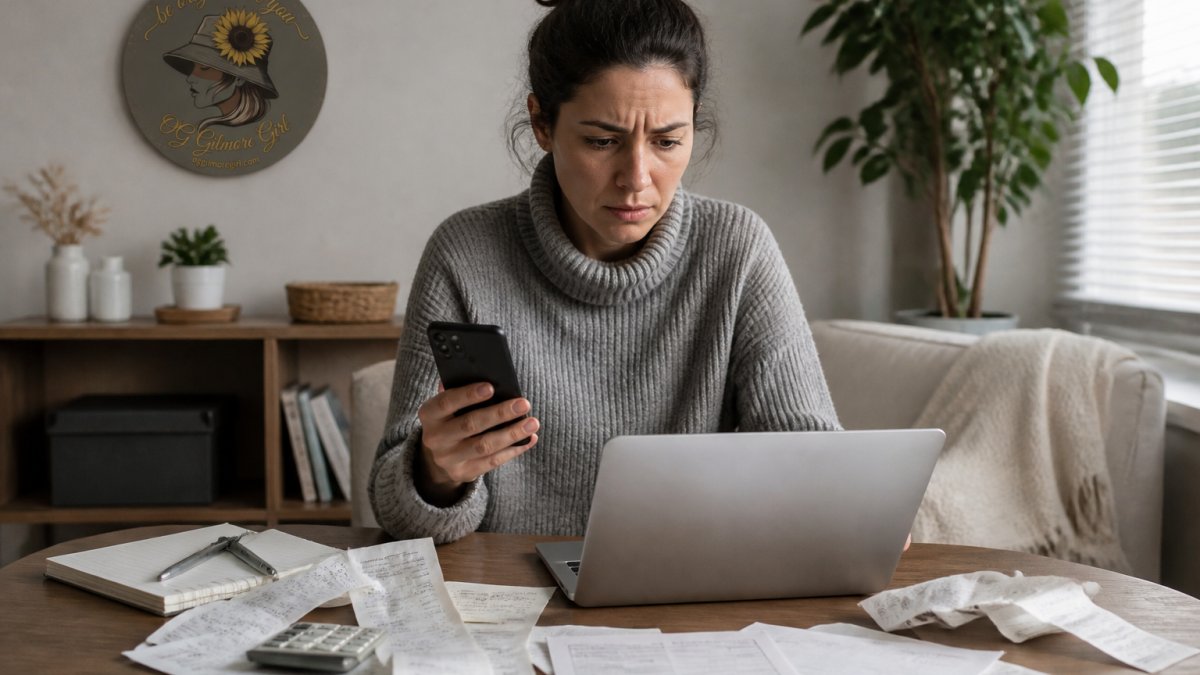
Concerned woman using a laptop and phone while reviewing receipts to resolve an online shopping issue

Document everything immediately: screenshots of the fraudulent website, order confirmation, bank statements, and messages from the scammer. Note the exact time you discovered the scam, this evidence becomes your proof later.

Contact your bank or card issuer within hours, not days, the sooner you report unauthorized activity, the faster they can freeze your account and investigate.

Here's what to do in your first 24 hours:

  • Call your bank's fraud line immediately (the number is on the back of your card)
  • Report the exact transaction amount and merchant name
  • Ask them to freeze your account to prevent additional charges
  • Request a new card with a different number
  • Ask about their dispute timeline and what documentation they need
  • Write down the name and employee ID of the person you speak with

If you used a debit card, act even faster, debit fraud offers less protection than credit cards, and prompt reporting improves your refund chances.

Watch Out Waiting more than a few days to report fraud can reduce your protection. Some banks have strict timelines for dispute claims. Contact them today, not tomorrow.

Contact Your Bank or Card Issuer Immediately

Your bank is your first line of defense: it can reverse fraudulent charges and issue new cards.

Call the number on the back of your card, never one from the email or website, so you reach your real bank, not a scammer impersonating it.

Tell them:

  • You made a purchase from a fraudulent website or seller
  • The transaction date and amount
  • The merchant name as it appears on your statement
  • That you did not authorize this charge

Your bank will verify your identity and may ask what you thought you were buying, how you found the seller, and what happened.

Request these specific actions:

  • Dispute the transaction immediately. Your bank can file a dispute on your behalf, which starts the investigation process.
  • Freeze your account temporarily. This prevents the scammer from making additional charges while you sort this out.
  • Cancel your current card. A new card with a different number stops the scammer from using your old card details.
  • Check for other unauthorized charges. Ask the bank to review your recent statement for any other suspicious activity.

Most banks reverse fraudulent charges within 10 business days if you report quickly. Credit card issuers offer stronger fraud protection than debit card issuers, so your outcome depends partly on which card you used.

Pro Tip Keep detailed notes of every call you make, the date, time, person's name, and what they told you. These notes protect you if you need to escalate the dispute later.

How to Get Money Back After an Online Shopping Scam

Getting your money back after an online shopping scam takes persistence, and the method depends on how you paid.

If you used a credit card: Your credit card company must investigate your dispute within 30 days and typically issues a provisional credit.

If you used a payment app like PayPal or Venmo: Contact the app's support team and report the transaction as fraudulent or unauthorized.

If you used a wire transfer or sent cash: This is the hardest situation, once money leaves your account this way, it's nearly impossible to recover.

The key to getting your money back is documentation. Gather:

  • Order confirmation from the fraudulent website
  • Email receipts or messages from the scammer
  • Screenshots of product listings that don't match what arrived (or didn't arrive)
  • Your bank statement showing the charge
  • Proof that the website is no longer active or has changed ownership
  • Any communication where the scammer admitted the scam or refused refunds

Send this documentation to your bank when you file your dispute. The more evidence you provide, the stronger your case.

Key Takeaway Credit card disputes have the highest success rate for refunds. Debit card disputes take longer but are still recoverable if reported within 60 days. Wire transfers and cash are nearly impossible to recover.

Report an Online Shopping Scam to Authorities

Reporting the scam creates an official record, helps authorities track scammers, and protects other shoppers from the same fraudulent website.

Report to the Federal Trade Commission (FTC) at ReportFraud.ftc.gov. The FTC collects complaints about online fraud and shares patterns with law enforcement.

When you report, provide:

  • The website URL or seller name
  • The date and amount of the transaction
  • How you paid (credit card, debit card, PayPal, etc.)
  • What you ordered versus what happened (item didn't arrive, wrong item, counterfeit, etc.)
  • Any communications with the seller or scammer
  • Your contact information

Report to the Internet Crime Complaint Center (IC3) at IC3.gov if the scam involved identity theft or significant financial loss.

Report to your state's Attorney General's office. Each state has a consumer protection division, search "[your state] Attorney General consumer fraud" for the reporting form.

Reporting doesn't guarantee you'll recover your money, but it does:

  • Create an official record that helps authorities
  • Warn other potential victims
  • Help law enforcement identify fraud patterns
  • Potentially lead to criminal charges against the scammer

What to Do if You Gave a Scammer Your Credit Card Information

If you gave a scammer your full credit card number, expiration date, and CVV, act immediately to prevent identity theft and unauthorized charges.

Monitor your account closely for the next 90 days. Check your statements every few days, not monthly. Look for:

Find Your Style →

  • Charges you don't recognize
  • Small test charges (scammers often make tiny purchases to verify the card works)
  • Subscription charges you didn't authorize
  • Charges from unfamiliar merchants

Place a fraud alert on your credit report. Contact Equifax, Experian, or TransUnion and ask for a fraud alert on your file.

Check your credit report for new accounts. Go to AnnualCreditReport.com and request your free credit report from all three bureaus. Look for accounts you didn't open.

Consider a credit freeze if the scammer also got your Social Security number. A credit freeze prevents anyone from opening new accounts in your name.

The risk of giving a scammer your full card information is that they can:

  • Make unauthorized purchases
  • Open new credit accounts in your name
  • Sell your information to other criminals
  • Use it for identity theft

Acting fast, within 24 hours, significantly reduces this risk.

Watch Out If you gave the scammer your Social Security number along with your card information, the risk of identity theft increases dramatically. Monitor your credit report monthly for the next year and consider placing a credit freeze.

Secure Accounts After an Online Scam

Once you've dealt with the fraudulent charge, protect your other accounts from the same scammer.

Enable two-factor authentication on your important accounts. This adds a second layer of security. Even if a scammer gets your password, they can't log in without a code from your phone. Enable it on:

  • Your email account
  • Your bank account
  • Your shopping accounts (Amazon, eBay, etc.)
  • Your social media accounts
  • PayPal or other payment apps

Check your email account for unauthorized access. Review recent activity for logins from unfamiliar locations or devices. If anything looks suspicious, change your email password immediately and enable two-factor authentication.

Review connected accounts and apps. Check which third-party apps have access to your email and remove any you don't recognize or no longer use, scammers sometimes gain access through connected apps.

Update your security questions and recovery options. If the scammer has your personal information, they might reset your passwords via security questions.

Gather and Preserve Evidence

Evidence is what convinces your bank to issue a refund and helps authorities prosecute the scammer.

Start collecting evidence immediately:

  • Screenshots of the website. Capture the product listing, price, checkout page, and order confirmation, with the URL visible. Fraudulent sites often disappear, so screenshots are your only proof they existed.
  • Order confirmation and receipt. Save any emails or confirmation pages that show what you ordered, when, and how much you paid.
  • Communication with the seller. Save any emails or messages with the scammer, they often contain admissions of guilt or refusals to refund.
  • Bank statements and transaction history. Print or download statements showing the fraudulent charge.
  • Tracking information (or lack thereof). If the seller provided a tracking number that never updated, save that. If they never provided tracking, document that too.
  • The item you received (if anything). If you received a counterfeit or wrong item, keep it unopened and unused, your bank may ask to see it as proof.
  • Photos of the item (if applicable). If you received a counterfeit or wrong item, photograph it with the original packaging. Show the condition it arrived in.

Store this evidence in multiple places:

  • Print important documents and keep them in a folder
  • Save digital copies to your computer and cloud storage (Google Drive, OneDrive, etc.)
  • Email yourself copies so you have a dated record

Your bank will ask for this evidence when you file your dispute. The more complete your documentation, the faster they can resolve your case.

Pro Tip Create a folder on your computer called "Fraud Evidence" and save everything there. Organize files by date. When you contact your bank, you'll have everything ready to send.

Protect Yourself from Recovery Scams

After you've reported a scam, someone may contact you claiming they can recover your money. These are recovery scams, a second fraud on top of the first.

Red flags for recovery scams:

  • Someone contacts you claiming to be from a "recovery service" or "claims agency"
  • They ask you to pay an upfront fee to recover your money
  • They guarantee they can get your money back
  • They ask for personal information like your Social Security number or bank account details
  • They pressure you to act quickly
  • They contact you through email, text, or social media (not official channels)

Legitimate recovery is free: your bank doesn't charge to investigate fraud, the FTC doesn't charge to file a complaint, and law enforcement doesn't charge to report a crime.

Protect yourself:

  • Don't respond to unsolicited messages about recovery services
  • Never pay upfront fees to recover fraud losses
  • Ignore emails or calls claiming to be from recovery agencies
  • Report recovery scam attempts to the FTC at ReportFraud.ftc.gov
  • Stick with official channels: your bank, the FTC, and law enforcement

At OG Gilmore Girl, we encourage you to shop with confidence. Shopping with trusted retailers and verifying websites before entering payment information helps you avoid most scams.


Discovering an online shopping scam is stressful, but you have real options for recovery.

Frequently Asked Questions

How can I get my money back after being scammed online?

Contact your bank or credit card issuer within 24 hours to report unauthorized charges. If you used a credit card, you have strong protections under federal law, you can dispute the transaction and typically aren't liable for fraudulent charges. For debit cards, report it quickly to minimize liability. File a chargeback claim with your card issuer, provide evidence of the scam, and follow up regularly on your dispute status. Many banks refund fraudulent charges within 30-90 days, though timelines vary.

Can a scammer access my bank account with my email address?

Your email address alone doesn't give a scammer direct access to your bank account, but it's a dangerous starting point. If they have your email and password, they can reset passwords to other accounts, access password recovery options, and potentially gain entry to your financial accounts. If you've given a scammer your email, change your email password immediately, enable two-factor authentication, and check your account recovery settings. Monitor your bank statements closely for unauthorized activity.

What should I do if I gave a scammer my credit card information?

Call your credit card issuer immediately, don't wait. Report the fraudulent charges and request a new card with a different number. Ask the issuer to monitor your account for suspicious activity and explain your liability protections. Most credit cards offer zero-liability protection for unauthorized charges, meaning you won't be responsible for fraudulent transactions. File a dispute for any charges you didn't authorize. Check your credit reports for signs of identity theft and consider placing a fraud alert with the credit bureaus.

How do I report a fake shopping website or online scam?

Report the scam to the Federal Trade Commission (FTC) at ReportFraud.ftc.gov, which collects data on fraud patterns. File a complaint with the Internet Crime Complaint Center (IC3) at ic3.gov. Contact the payment platform (PayPal, Stripe, etc.) if you used it. Report the fraudulent website to the hosting provider by checking who owns the domain. If the scam involved email or text messages, report phishing to your email provider or carrier. File a police report with your local law enforcement agency and get a report number for your records.

Leave a comment

Please note, comments must be approved before they are published

Read Also

See all OG Gilmore Girl Gossip
What to Wear With Distressed Denim Shorts
  • Posted on
What to Wear With Distressed Denim Shorts
Style distressed denim shorts for any occasion. Learn outfit formulas, top and shoe pairings, and how to dress them up or down with confidence.
Best Shoes to Wear With Flared Bottom Tops
  • Posted on
Best Shoes to Wear With Flared Bottom Tops
Discover the best shoes to pair with flared bottom tops. From flats to boots, find outfit ideas that balance your silhouette and elevate your style.
How to Price Items for a Clothing Boutique
  • Posted on
How to Price Items for a Clothing Boutique
Learn how to price clothing boutique items using markup formulas, cost calculations, and market research. Step-by-step pricing strategy for retail success.
Benefits of Investing in Boutique Clothing
  • Posted on
Benefits of Investing in Boutique Clothing
Discover the real benefits of investing in boutique clothing, from better quality to lower cost per wear. Learn how to spot well-made pieces that last.
How to Wash and Care for Loungewear Sets
  • Posted on
How to Wash and Care for Loungewear Sets
Learn how to wash and care for loungewear sets properly. Step-by-step guide to preserve softness, prevent pilling, and extend garment life.
Eco Friendly Loungewear Brands for Women
  • Posted on
Eco Friendly Loungewear Brands for Women
Discover eco friendly loungewear brands for women that prioritize sustainable materials and ethical production. Shop comfortable, stylish options today.
Fashion Trends Out of Style for 2026
  • Posted on
Fashion Trends Out of Style for 2026
Discover which fashion trends are out of style for 2026 and what to wear instead. Update your wardrobe with timeless essentials.
What's Trendy in 2026: Fashion Forecast
  • Posted on
What's Trendy in 2026: Fashion Forecast
Discover what's trendy in 2026: silhouettes, colors, fabrics, and must-have pieces. Style tips for modern looks and sustainable trend adoption.
How to Find Petite Clothing That Fits
  • Posted on
How to Find Petite Clothing That Fits
Find petite clothing that actually fits your frame. Learn measurements, silhouettes, tailoring hacks, and where to shop for proportional designs.
Casual vs Cocktail: What's the Difference?
  • Posted on
Casual vs Cocktail: What's the Difference?
Casual vs cocktail dress codes explained: what to wear to each, key differences, and how to nail wedding guest attire. Get the guide and shop the look.
Quiet Luxury Trend 2026: The Complete Guide
  • Posted on
Quiet Luxury Trend 2026: The Complete Guide
Discover the quiet luxury trend in 2026: timeless style, intentional consumption, and effortless elegance. Learn how to build your curated wardrobe today.
How to Dress Up Loungewear for Work
  • Posted on
How to Dress Up Loungewear for Work
Dress up loungewear for work: Master the art of dressing up loungewear for work. Learn styling tricks, fabric choices, and layering techniques to look.
How to Style Simple Dresses for Beginners
  • Posted on
How to Style Simple Dresses for Beginners
Learn how to style simple dresses for beginners with easy tips on accessories, layering, and capsule wardrobe essentials. Discover effortless looks today.
How to Soften Stiff Raw Denim: 7 Easy Steps
  • Posted on
How to Soften Stiff Raw Denim: 7 Easy Steps
How to soften stiff raw denim: Learn how to soften raw denim without losing fades. Follow our 7-step guide on soaking, washing, and breaking in stiff.
Designer Spring Dress Alternatives for 2026
  • Posted on
Designer Spring Dress Alternatives for 2026
Find spring dress alternatives to expensive designer styles for 2026. Shop affordable boutique picks that match runway trends without the luxury price tag.