Your cart is empty
Tax included and shipping calculated at checkout
Drawer menu
Tax included and shipping calculated at checkout

Last Updated: October 29, 2026
Quick Summary
The best sustainable fabrics for long lasting clothing combine low-impact fiber production with proven wash durability: organic cotton, hemp, linen, lyocell, recycled wool, recycled cotton, and bamboo fiber. Hemp leads on abrasion resistance, linen is stronger than cotton especially when wet, and recycled wool keeps its long staple through mechanical shredding.
A fabric earns the "sustainable" label only when it clears two separate bars: how it is grown or made, and how long it survives in your closet. Most shopping guides answer the first question and skip the second. That is a mistake.
This guide covers seven sustainable fabrics for long lasting clothing, ranked by how they hold up against real wear and tear. We break down fiber production, water use, pesticide use, and the durability evidence that predicts garment longevity, with honest trade-offs for each.
Here is what most guides get wrong: they treat biodegradability as the finish line. A fabric that breaks down quickly in a landfill is not automatically greener than a durable one that stays in rotation for a decade.
Sustainable fabric is a textile whose production limits harm to soil, water, and air while the finished material stays wearable through many seasons of use. The FTC Green Guides set the rules for how companies may describe those environmental claims in the United States, which matters when a label says "eco-friendly" or "organic."
Ask two things before you buy. First: where did the fiber come from, and what did growing or making it cost the land and water? Second: will this garment survive a hundred washes without thinning, stretching, or fading?
Fiber production drives the first answer. Organic cotton and flax avoid the heaviest pesticide loads. Hemp grows dense with little irrigation. Regenerated cellulose depends on how the pulp is processed and whether the mill recovers its solvents.
The second answer comes down to fabric strength, abrasion resistance, and construction. Long-staple fibers spin into stronger yarns, tight weaves resist wear, and twill and canvas outlast loose knits.
The strongest options combine low-impact fiber production with proven wash durability. Here is how the seven compare on the factors that decide garment longevity.
| Fabric | Durability | Water & Resource Use | Best For | Watch Out For |
|---|---|---|---|---|
| Organic cotton | Good, improves with tight weave | Moderate to high irrigation | Tees, denim, basics | Shrinks; needs long-staple yarn |
| Hemp | Excellent abrasion resistance | Low, deep roots, little irrigation | Workwear, pants, canvas | Stiff at first; softens slowly |
| Linen | Very good, stronger wet | Low, rain-fed flax | Summer dresses, shirts | Wrinkles easily |
| Lyocell | Good, high wet strength | Closed-loop solvent recovery | Drapey tops, dresses | Pills if loosely knit |
| Recycled wool | Excellent, long staple | Avoids new fleece demand | Sweaters, coats | Needs gentle washing |
| Recycled cotton | Moderate, shorter fibers | Cuts textile waste | Casual tops, blends | Weaker alone; usually blended |
| Bamboo fiber | Varies by process | Depends on mill | Soft loungewear | Greenwashing risk |
Organic cotton is the most familiar entry point, and it earns the spot for breathability and comfort. The USDA Organic standards define what a grower must do to label a fiber organic, so look for that certification rather than a vague "natural" tag.
Durability depends on the yarn. Readers who want to put the fiber to use can explore the benefits of organic cotton loungewear sets.
Pros: breathable, moisture management is solid, biodegradable, widely certified. Cons: cotton irrigation is water-hungry, and organic cotton still shrinks unless pre-shrunk.
Hemp is known for abrasion resistance. Its long, rough fibers shrug off friction far better than cotton, making it the pick for pants, workwear, and anything that takes a beating.
The catch is hand-feel. New hemp feels stiff and takes several washes to relax into softness. That is the price of the strength.
Pros: exceptional fabric strength, low water use, naturally resistant to mildew. Cons: coarse at first, less drape, limited color range without heavy dyeing.
Linen comes from flax, grown mostly on rain rather than irrigation, giving it a real edge over cotton on water consumption.
The trade-off is wrinkles. You can browse a linen blend ethnic print button ruffle dress to see how a linen-blend garment looks in practice.

Pros: very strong, breathable, gets softer with age, low irrigation demand. Cons: wrinkles easily, can shrink, higher price for good quality.
Lyocell is a regenerated cellulose fiber made from wood pulp dissolved in a solvent that mills can recover and reuse.
Durability is good, and wet strength is high, so it handles washing better than rayon. Loosely knit lyocell pills, though, so check fabric construction before you buy.
Pros: soft drape, closed-loop solvent recovery, high wet strength. Cons: still energy-intensive, pilling risk in loose knits, certification varies.
Recycled fibers attack the textile waste problem directly. Recycled wool keeps its long staple through mechanical shredding, retaining much of the warmth and abrasion resistance of new fleece without new demand on sheep.
Pros: diverts textile waste, cuts resource consumption, wool keeps its strength. Cons: recycled cotton is weaker alone, color sorting is limited, quality varies by source.
The Vintage Denim Eco Pant is handcrafted from authentic vintage American denim, a recycled pair given a second life.

The most durable clothing fabric is the one matched to how a garment actually fails. A fiber that resists abrasion can still lose at the seam, and a strong yarn can still pill in a loose knit. Judge each garment by its dominant wear pattern: abrasion, seam stress, pilling, shrinkage, and color loss.
Durability claims get more useful when they map to standard test methods. In the United States, ASTM International publishes the test standards mills and brands commonly cite, and you can ask a brand which ones it used. The most relevant for clothing longevity are:
A brand does not have to publish every number, but a serious one can tell you which tests it ran and what the results were. Treat a vague "durable" claim as marketing until it is tied to a method and a result.
Everyday tees and tops. Abrasion and pilling matter most, followed by shrinkage.
Denim and work pants. These fail at the knee, seat, and pocket edges from abrasion. To estimate how long denim actually lasts, see the denim lifespan guide.
Workwear and outerwear. Hemp leads on abrasion resistance, and dense canvas weaves add mechanical strength.
Knitwear and warm layers. Wool, especially long-staple and recycled wool, resists pilling and holds shape better than most alternatives.
Activewear. Moisture management and elastic recovery drive longevity.
Drapey dresses and shirts. Seam stress and color loss matter more than abrasion.
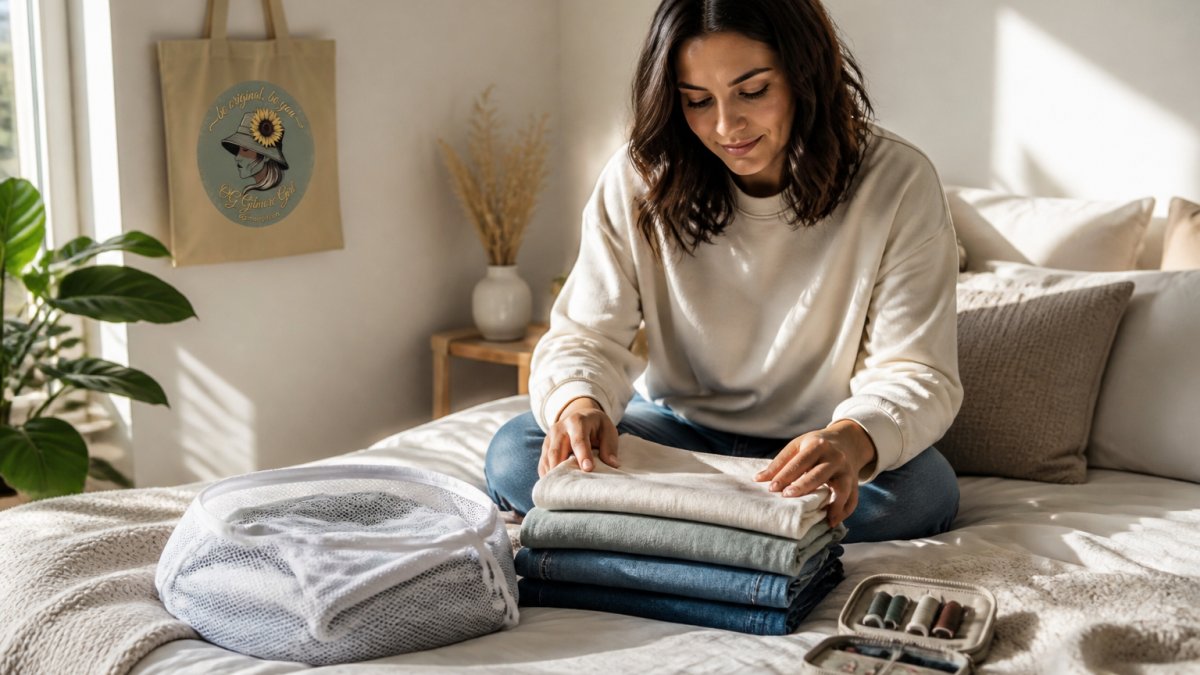
The greenest garment is the one you keep wearing, and most premature wear comes from a handful of avoidable habits: heat, over-washing, harsh detergent, and ignoring small damage until it spreads.
Heat is the main enemy of fabric longevity. Hot water and high dryer temperatures relax fibers, shrink knits, fade dye, and accelerate pilling. Wash cold when the garment is not heavily soiled, and air-dry whenever possible, line-drying alone can add years to a knit or woven piece.
Use a mesh laundry bag for knits, delicates, and anything with elastic, and turn garments inside out to reduce surface abrasion. Skip fabric softener on technical fabrics and towels, since it coats fibers and reduces absorbency.
Blot, do not rub, and treat stains from the back of the fabric when possible. Cold water handles most protein stains, such as blood or dairy. For oil-based stains, a small amount of dish soap worked in before washing is a common first step. Test any treatment on an inside seam first, especially on dyed linen and lyocell. Avoid chlorine bleach on wool and silk, and use oxygen-based bleach only when the care label allows it.
Small repairs add years of wear. Re-stitch a loose seam before it opens, reinforce stress points like pockets and underarms, and patch thin spots at the knee or elbow before they tear. A basic sewing kit with matching thread, a needle, and a few patches covers most fixes. For knits, a darning needle and matching yarn can close small holes invisibly; for denim, a patch on the inside spreads stress and hides the repair.
Natural fibers such as cotton, linen, hemp, and wool biodegrade under the right conditions, while synthetic blends and elastane do not. That is one more reason to favor natural fibers and recycled materials in durable clothing. When a garment truly reaches its end, textile recycling programs and brand take-back schemes can divert it from landfill, though infrastructure varies by region and fiber type.
Watch out: high heat in the dryer and over-washing are the two fastest ways to destroy wash durability, even in the toughest fabrics.
Synthetic fibers shed the most. Polyester, nylon and acrylic release microfibers with every wash, and the amount rises with looser knits and higher wash temperatures. Natural and regenerated cellulose fibers break down more readily, though they still shed. To cut shedding on any garment, wash less often, use a lower spin cycle, fill the drum rather than running small loads, and consider a microfiber-catching laundry bag. Buying fewer, longer-lasting pieces reduces total shedding more than any single washing habit.
It depends on the garment. Polyester has higher abrasion resistance and holds color well, so it resists physical wear in high-friction areas. Cotton is breathable and comfortable but weaker when wet and prone to thinning at stress points. A well-constructed cotton tee with a tight knit can outlast a cheap polyester one, because fabric construction and stitch quality matter as much as fiber type. Look at weight, weave density and seam finishing before you assume one fiber wins outright.
Hold it up to the light and check for thin spots, then stretch a seam gently to see if stitches pull apart. Heavier fabrics with tight weaves, like twill, canvas and ripstop, resist wear better than loose knits. Check the fiber content and whether the fabric is a blend: small amounts of spandex or polyester can add recovery and strength, while heavy blends can pill. Read care labels too, since anything requiring dry cleaning gets worn less and washed more harshly when it finally is.
Not automatically. Hemp and linen are among the strongest natural fibers and get softer with age, while conventional cotton is moderate in strength. Synthetics generally win on abrasion resistance and colorfastness but shed microplastics and can pill. The practical answer is to match fiber to use: hemp or linen for warm-weather pieces that take friction, wool for cold-weather layers, and cotton blends where you want softness with shape retention.
Wash less often and in cold water, turn garments inside out, and skip the dryer when you can, since heat breaks down fibers and shrinks knits. Use a mesh bag for delicates, air-dry flat where shape matters, and repair small holes and loose buttons early. Store knits folded rather than hung to avoid shoulder stretch. These habits extend garment longevity more than any fiber choice, and they cut the water use and energy tied to repeated washing.
Building a wardrobe of long-lasting garments takes more than reading fiber labels. It takes pieces you will actually wear, made from fabrics that hold up. At OG Gilmore Girl, we curate trendy apparel with a focus on pieces that earn their place in your rotation, and our G-Bucks loyalty program rewards you every time you come back for more. New shoppers get 15% off a first order, and shipping is free on orders over $100. Get started with OG Gilmore Girl and build a closet that lasts.


