Your cart is empty
Tax included and shipping calculated at checkout
Menú de cajones
Tax included and shipping calculated at checkout

Last Updated: October 12, 2026
To wash unique denim properly, unique denim pieces demand special care. Whether you own raw denim, embellished jeans, or vintage pieces, the best ways to wash unique denim differ from standard cotton garments.
Standard washing can fade colors, damage details, and cause shrinkage. Raw, stretch, selvedge, coated, and embellished denim each have specific needs generic advice won't address.
This guide covers each step, from preparation to drying.
Before washing unique denim for the first time, preparation is essential, especially for raw denim and dark indigo.
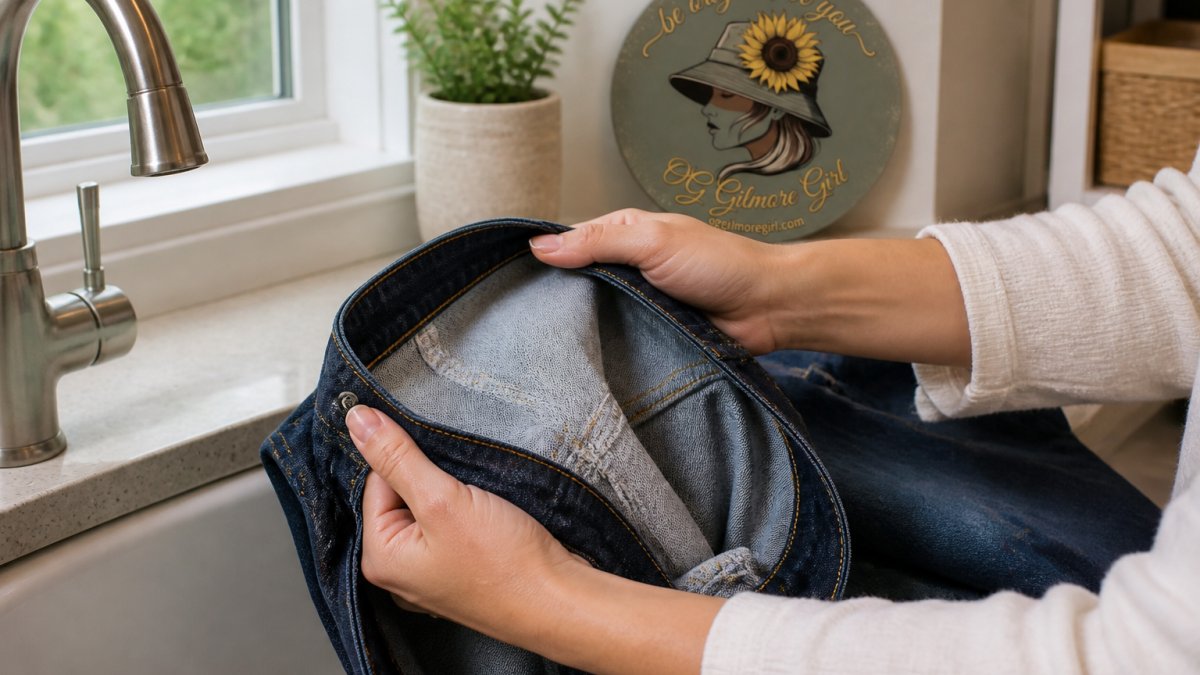
Check the care label for washing instructions, fiber content, and symbols.
Turn jeans inside out before washing to protect the outer surface from friction and fading.
Key preparation steps:
Embellished denim needs extra attention. If your jeans have patches, rhinestones, or crochet details, avoid soaking them with the main wash.
Dark denim and indigo jeans are prone to color loss. Preserve that deep color while keeping the fabric clean.
Select a gentle or delicate cycle; less agitation and shorter spin times protect shape and color.
Dark-fabric detergent is best, regular detergents strip color, while dark-fabric formulas clean while preserving dye.
Wash dark jeans separately, even similar-colored items can transfer dye.
Best practices for dark denim:
Raw denim is unwashed, untreated fabric requiring a different approach than finished jeans.
Raw denim holds indigo dye loosely, so the first wash releases significant color, deep blue water is normal.
For subsequent washes, follow the same cold-water, gentle-cycle approach. Raw denim develops character through wear and minimal washing, producing unique fading patterns.
Avoid hot water and heavy detergent with raw denim:
Raw denim shrinks. Plan for 3-5% shrinkage in length and width, especially in the first few washes, and size accordingly.
Water temperature is the most important factor in denim care, controlling dye release, fabric integrity, and color retention.
Cold water is the only choice for unique denim, below 60°F, truly cold, not lukewarm.
Warm water accelerates dye bleeding, softens fibers, and can cause unexpected shrinking.
Hot water is off-limits, it opens fiber structure, releases maximum dye, and causes significant shrinkage.
Water temperature rules:
Some machines have multiple cold settings, use the coldest.
Drying is where many denim owners make mistakes. Heat causes shrinkage and can permanently alter fit, and the right method depends on the denim type.
Air-drying is safest for unique denim. Hang jeans on a sturdy hanger or lay them flat, and avoid the dryer, its heat and tumbling shrink fibers and stress decorative details.
Hang denim by the waistband in a well-ventilated, shaded spot, avoiding direct sunlight that fades colors unevenly. Most jeans take 24-48 hours to dry.
Jeans feel stiff after drying. This is normal, especially for raw and selvedge denim.
Vintage Denim Eco Pant | Recycled American Denim →
Jeans shrank more than expected. Shrinkage is usually permanent.
Jeans smell musty after drying. The fabric didn't dry completely.
Jeans have uneven fade lines after drying. This usually comes from direct sunlight or clothespin pressure points.
Drying best practices:
Once dry, your jeans may feel stiff, this is normal.
Unique denim is not one category. Raw, stretch, selvedge, coated, embellished, and vintage denim each have construction details and finishes that change how you wash them.
Raw denim is unwashed, untreated fabric that holds indigo dye loosely. The first wash releases significant color, and deep blue water is normal.
Stretch denim contains elastane or spandex, which breaks down with heat and harsh agitation.
Selvedge denim has a finished edge woven on shuttle looms that can pucker or fray if handled roughly.
Coated denim has a wax, resin, or polyurethane finish that can crack, flake, or become tacky with heat and harsh detergent.
Embellished denim includes patches, crochet details, rhinestones, embroidery, and other decorative elements.
Judy Blue jeans with crocheted patches, like the Judy Blue Crocheted Patch Wide Leg Jean available at OG Gilmore Girl, benefit from this careful approach, the handcrafted patches are delicate.

Vintage denim has unique character from its history, and the fibers may already be weakened from age and prior washing.
Garment care labels use a standard symbol system. A tub with a hand means hand-wash only; a tub with a number indicates maximum water temperature in Celsius (30 means 30°C, roughly 86°F); a circle with an X means do not dry clean; a square with a circle means tumble dry allowed; a square with a line means dry flat. When a label conflicts with general advice, follow the label, the manufacturer knows that piece's construction and finish.
Special denim care guidelines:
Not every stain requires a complete wash.
For fresh stains, act quickly.
Mix cold water with a small amount of mild detergent.
Rinse with cold water only, blotting away the solution with a clean cloth.
Stain removal steps:
Avoid rubbing or scrubbing hard. Aggressive cleaning can damage denim fibers and spread the stain.
For stubborn stains on dark denim, consider living with them.
| Stain Type | Best Approach | Water Temperature | Drying Method |
|---|---|---|---|
| Fresh marks | Blot immediately | Cold | Air-dry |
| Mud or dirt | Let dry, brush off | Cold | Air-dry |
| Food or oil | Spot-clean gently | Cold | Air-dry |
| Dye transfer | Soak, gentle wash | Cold | Hang dry |
| Set-in stains | Pre-soak, then spot-clean | Cold | Air-dry |
Taking care of your unique denim means understanding its specific needs.
At OG Gilmore Girl, we believe your denim investment deserves this level of care. Shop our Judy Blue Ecru Crocheted Patches and other unique denim pieces knowing you have the knowledge to keep them looking beautiful. Shop Now and earn G-Bucks with every purchase, because great style lasts when you care for it properly.

Wash unique denim sparingly, every 4-6 wears for regular jeans, and every 8-10 wears for raw or dark denim. Infrequent washing preserves color, prevents fading, and extends the life of embellishments like crocheted patches or distressed details. Spot-clean stains between washes instead. Your denim will develop character and fit better the less often you wash it.
Yes, but with caution. Raw denim can be machine-washed in cold water on a gentle cycle, but hand-washing is gentler and better for preserving indigo color and avoiding excess shrinkage. If machine-washing, turn raw denim inside out, use minimal detergent, and skip the dryer entirely. Many raw denim enthusiasts hand-soak their jeans for 30 minutes in cold water instead of using a machine.
Use a dark-fabric detergent or a gentle, toxin-free detergent designed for delicate fabrics. Avoid bleach and optical brighteners, which strip indigo dye. Cold-water detergents work well because they're formulated to activate in low temperatures without damaging fibers. Use only a small amount, about half the recommended dose, to reduce dye bleeding and color fading.
Yes. Embellished denim with crocheted patches, patchwork, or distressed details should be hand-washed in cold water or machine-washed on a delicate cycle inside out. Avoid agitation that could snag or loosen patches. Air-dry completely and avoid wringing or twisting. The Judy Blue Crocheted Patch Wide Leg Jean and Judy Blue Ecru Crocheted Patches benefit from this gentler approach to keep handcrafted details intact.


