Your cart is empty
Tax included and shipping calculated at checkout
Menú de cajones
Tax included and shipping calculated at checkout

Last Updated: October 23, 2026
Quick Summary
Choose quiet luxury handbags by checking even stitching, clean edge finishing, sturdy hardware, and a sewn-in lining before you look at the price tag. Look for understated design, subtle branding, and neutral colors, then confirm the leather grade, tanning method, and traceability to the tannery. Fit matters too: measure your comfortable strap drop and test the bag loaded with your daily essentials.
Quiet luxury handbags are bags with understated design, subtle branding, and quality construction that lasts for years. They skip the giant logos and loud hardware in favor of clean lines, good materials, and shapes that stay in style.
That shift matters. Shoppers who once chased logo-heavy bags are now hunting for pieces that look expensive without announcing a brand. Here at OG Gilmore Girl, we see that same pull toward bags that work with everything in your closet, not just one outfit.
Understated design means the bag earns attention through shape and texture, not a monogram. Subtle branding means a small stamp, a tiny charm, or nothing at all.
Three things separate a quiet luxury bag from a flashy one:
The goal is a bag that looks intentional with jeans and a tee, then holds its own at dinner. For the wider trend picture, our quiet luxury trend guide breaks down where this look is heading.
A well-made handbag shows even stitching, clean edge finishing, sturdy hardware, and a lining that feels as solid as the outside. Check those four things before you check the price tag.
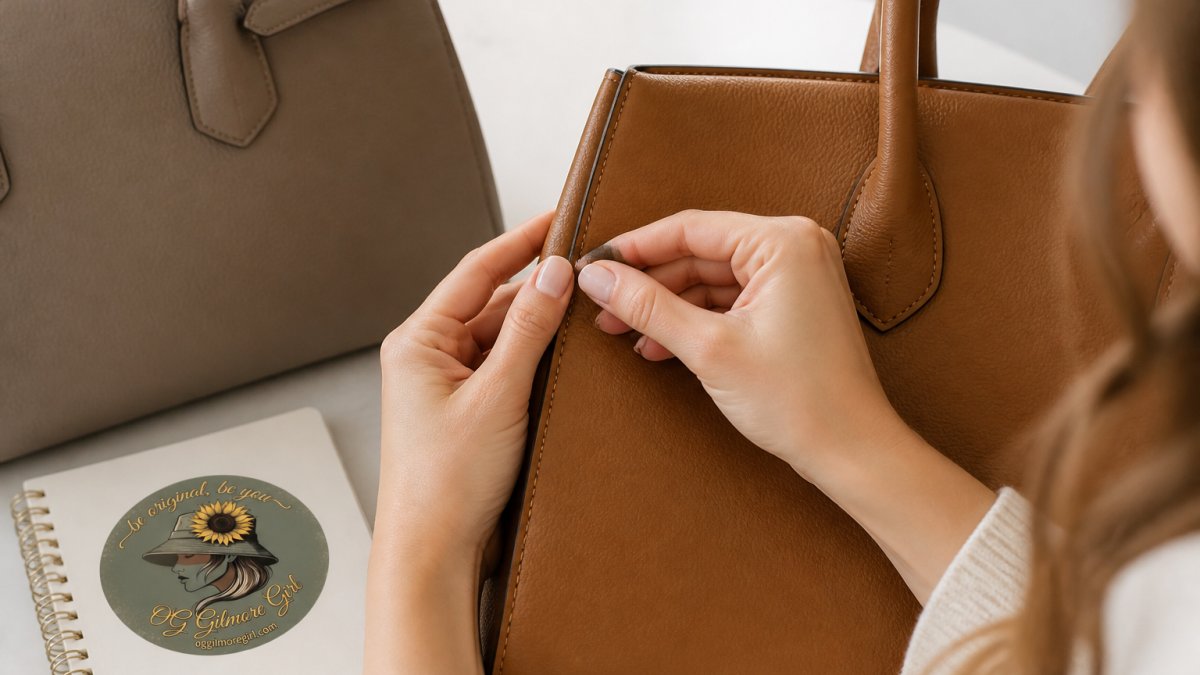
Run this list before you buy, in store or online:
Leather quality decides how a bag ages, but the grade label on a hangtag tells only part of the story.
Leather grades, in plain terms. Full-grain leather keeps the hide's natural surface and tight fiber structure, so it resists cracking and develops a patina. Top-grain leather is sanded to remove surface imperfections, which makes it more uniform but slightly less durable at the grain.
Tanning methods change the hand and the aging. Vegetable-tanned leather uses plant tannins, takes weeks to produce, and tends to develop a deep patina; it can darken and spot with water, so it suits buyers who like visible character.
Sourcing and traceability. Leather supply chains are long, and "Italian leather" can mean the hide was finished in Italy from cattle raised elsewhere. Look for tanneries that are members of a recognized industry group such as the Leather Working Group, which audits environmental practices.
Lining trade-offs. A cotton canvas lining is breathable, repairable, and ages gracefully. Suede lining feels luxurious but can transfer dye and attracts lint. Microfiber and synthetic linings are light and cheap but can pill or tear at stress points.
Hardware mechanisms. Solid brass or stainless steel hardware holds its finish and can be re-plated. Zinc-alloy hardware with thin plating pits and flakes, especially at the zipper pull and strap anchors.
| Material | Look and Feel | Wear Over Time | Best For |
|---|---|---|---|
| Full-grain leather | Textured, natural | Develops a patina | Investment pieces |
| Top-grain leather | Smooth, uniform | Holds shape well | Daily bags |
| Corrected-grain leather | Stamped, uniform | Finish can wear through | Lower price points |
| Genuine / split leather | Stiffer, thinner | Can crack or peel | Budget bags |
| Polyurethane | Smooth, light | Easy to clean, less breathable | Color variety and rain |
Not everyone needs full-grain. A durable polyurethane tote like our ivory denim checkered tote gives you texture and structure at a friendly price, and it handles wet weather better than untreated leather.
The best quiet luxury handbag brands focus on clean shapes and honest materials rather than logos. Look for a signature silhouette, a consistent color palette, and construction you can inspect.
Styles worth knowing:
Our crossbody bag is a good example of the compact end of that list. It keeps the shape polished and the branding low-key.

An everyday luxury handbag should sit comfortably on your shoulder or across your body for hours, not just look good in a mirror. Fit is measurable, and you can test it before you commit. The goal is a bag that carries your real daily load without digging, swinging, or pulling you off balance.
Strap drop and body proportions. Strap drop is the distance from the top of the strap to the top of the bag.
Strap width and pressure. A thin strap concentrates weight on a small area of the shoulder. A strap around 1 inch wide distributes load better than a chain or a cord, and a padded or rolled handle is kinder on the hand when the bag is full.
Weight, loaded. Empty weight matters, but loaded weight decides comfort. A leather tote that weighs 2 pounds empty can reach 6 or 7 pounds with a laptop, water bottle, and pouch. Weigh your daily essentials at home, then add that to the bag's empty weight.
Capacity and organization. Phone, wallet, keys, and a small pouch is the realistic minimum. Check whether the bag holds a water bottle upright, whether a laptop sleeve fits, and whether the opening is wide enough to reach in without scraping your knuckles.
A loaded test you can run in store. Put your actual essentials in the bag, close it, and carry it for five minutes. Walk, sit, and reach for your phone. Check three things: does the strap stay on your shoulder, does the bag bump your hip when you walk, and does the base sag when loaded? A bag that fails any of these will annoy you within a week.
Matching the bag to your day. If you carry a lot, a tote makes more sense. Our split-joint tote holds a full day's gear and comes in nine colors. If you travel light, the Syndey crossbody keeps your essentials close with an outer pocket for quick access.


Cost per wear is the real price test. Divide the bag's price by how many days you will carry it. A bag you use three times a week for two years beats a cheap bag you replace every season.
Think in three tiers:
Resale value favors classic shapes and neutral colors. Loud logos and trend colors drop fast. A quiet bag in tan or black holds more of its value because more buyers want it.
Care planning starts the day you buy. Store the bag stuffed with tissue in a dust bag, keep it out of direct sun, and wipe leather with a soft dry cloth. Condition leather a few times a year to stop cracking.
Repair is where quiet luxury pays off. Good bags have stitched construction that a cobbler can fix. Cheap bags with glued seams often cannot be saved.
Check the warranty before you commit:
The FTC's consumer advice on warranties explains what "full" and "limited" warranties actually promise. For secondhand buys, check the Fashionphile authentication guide and the eBay authenticity guarantee before you pay.
Quiet luxury handbags are defined by understated design, subtle branding, and high-quality materials rather than prominent logos. They prioritize timeless silhouettes, genuine leather or premium alternatives, and clean construction. The focus is on how the bag feels and wears over time, not on visible labels. A quiet luxury bag should look polished with everyday outfits and remain versatile across seasons, making it an investment piece that fits naturally into a minimalist wardrobe.
Check the stitching first: even, tight stitches with no loose threads signal care. Inspect the seams, hardware, and lining for consistent finishing. Genuine full-grain or top-grain leather should feel supple and have a natural grain. Look at the structure: a well-made bag holds its shape when empty. Also test the zipper and strap attachments. These details separate a durable bag from one that shows wear and tear within months, and they matter more than a brand name.
Full-grain leather is the most durable choice because it retains the hide's natural fibers and develops a patina over time. Top-grain leather is slightly corrected but still wears well. Vegetable-tanned and chrome-free leathers offer a more natural finish. For linings, cotton canvas or suede adds durability. Hardware should be solid metal, not coated plastic. If you prefer a lower-maintenance option, durable polyurethane can hold its shape and clean easily, though it won't develop the same long-term character as leather.
They can be, if you calculate cost per wear. A $400 bag carried 200 days a year costs $2 per wear, while a $60 bag that falls apart in three months costs more in replacements. Quiet luxury handbags also tend to hold resale value better because their timeless design stays in demand. The key is choosing quality materials and construction you'll actually use daily, not just a high price tag. Focus on longevity and versatility rather than the label.
Choosing a quiet luxury handbag comes down to inspection, not hype. Check the stitching, feel the leather, and do the cost-per-wear math before you commit.
At OG Gilmore Girl, we make that easier with a curated selection of trendy apparel and accessories from trusted brands. You get 15% off your first order, free shipping on orders over $100, and G-Bucks on every purchase through our loyalty program. Shop now and build a wardrobe that feels effortless every day.


