Your cart is empty
Tax included and shipping calculated at checkout

Menú de cajones
Tax included and shipping calculated at checkout

Last Updated: October 12, 2026
The first day after discovering an online shopping scam is critical: quick action determines whether you recover your money and protect your identity.
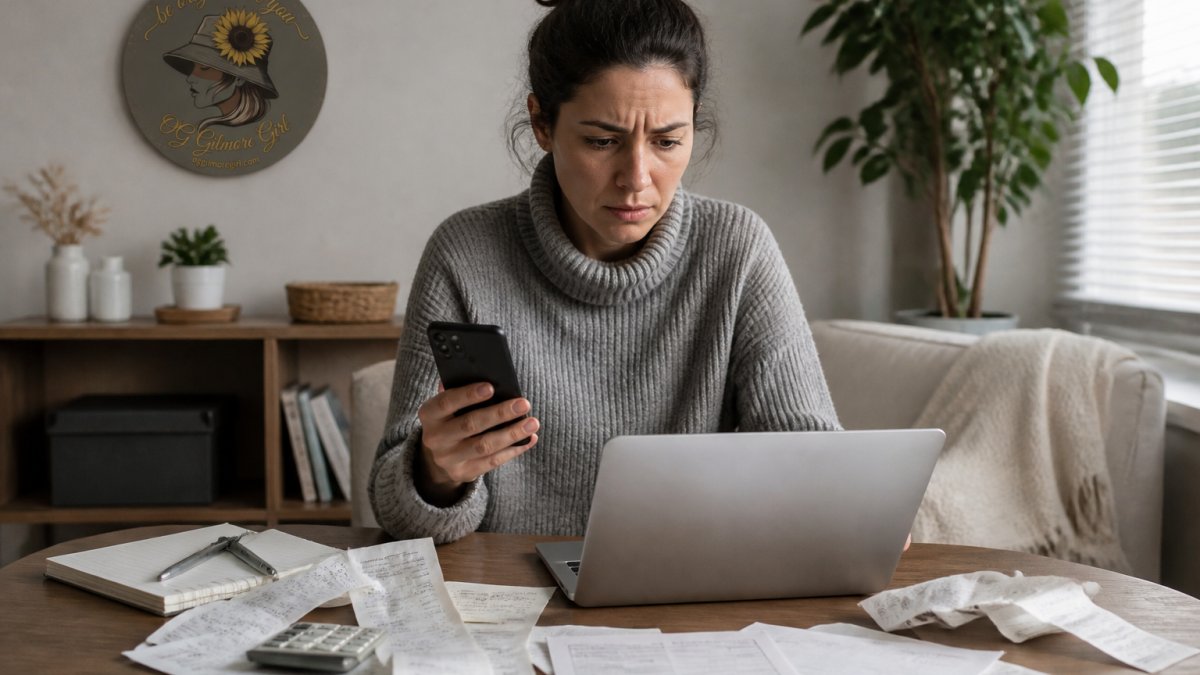
Document everything immediately: screenshots of the fraudulent website, order confirmation, bank statements, and messages from the scammer. Note the exact time you discovered the scam, this evidence becomes your proof later.
Contact your bank or card issuer within hours, not days, the sooner you report unauthorized activity, the faster they can freeze your account and investigate.
Here's what to do in your first 24 hours:
If you used a debit card, act even faster, debit fraud offers less protection than credit cards, and prompt reporting improves your refund chances.
Your bank is your first line of defense: it can reverse fraudulent charges and issue new cards.
Call the number on the back of your card, never one from the email or website, so you reach your real bank, not a scammer impersonating it.
Tell them:
Your bank will verify your identity and may ask what you thought you were buying, how you found the seller, and what happened.
Request these specific actions:
Most banks reverse fraudulent charges within 10 business days if you report quickly. Credit card issuers offer stronger fraud protection than debit card issuers, so your outcome depends partly on which card you used.
Getting your money back after an online shopping scam takes persistence, and the method depends on how you paid.
If you used a credit card: Your credit card company must investigate your dispute within 30 days and typically issues a provisional credit.
If you used a payment app like PayPal or Venmo: Contact the app's support team and report the transaction as fraudulent or unauthorized.
If you used a wire transfer or sent cash: This is the hardest situation, once money leaves your account this way, it's nearly impossible to recover.
The key to getting your money back is documentation. Gather:
Send this documentation to your bank when you file your dispute. The more evidence you provide, the stronger your case.
Reporting the scam creates an official record, helps authorities track scammers, and protects other shoppers from the same fraudulent website.
Report to the Federal Trade Commission (FTC) at ReportFraud.ftc.gov. The FTC collects complaints about online fraud and shares patterns with law enforcement.
When you report, provide:
Report to the Internet Crime Complaint Center (IC3) at IC3.gov if the scam involved identity theft or significant financial loss.
Report to your state's Attorney General's office. Each state has a consumer protection division, search "[your state] Attorney General consumer fraud" for the reporting form.
Reporting doesn't guarantee you'll recover your money, but it does:
If you gave a scammer your full credit card number, expiration date, and CVV, act immediately to prevent identity theft and unauthorized charges.
Monitor your account closely for the next 90 days. Check your statements every few days, not monthly. Look for:
Place a fraud alert on your credit report. Contact Equifax, Experian, or TransUnion and ask for a fraud alert on your file.
Check your credit report for new accounts. Go to AnnualCreditReport.com and request your free credit report from all three bureaus. Look for accounts you didn't open.
Consider a credit freeze if the scammer also got your Social Security number. A credit freeze prevents anyone from opening new accounts in your name.
The risk of giving a scammer your full card information is that they can:
Acting fast, within 24 hours, significantly reduces this risk.
Once you've dealt with the fraudulent charge, protect your other accounts from the same scammer.
Enable two-factor authentication on your important accounts. This adds a second layer of security. Even if a scammer gets your password, they can't log in without a code from your phone. Enable it on:
Check your email account for unauthorized access. Review recent activity for logins from unfamiliar locations or devices. If anything looks suspicious, change your email password immediately and enable two-factor authentication.
Review connected accounts and apps. Check which third-party apps have access to your email and remove any you don't recognize or no longer use, scammers sometimes gain access through connected apps.
Update your security questions and recovery options. If the scammer has your personal information, they might reset your passwords via security questions.
Evidence is what convinces your bank to issue a refund and helps authorities prosecute the scammer.
Start collecting evidence immediately:
Store this evidence in multiple places:
Your bank will ask for this evidence when you file your dispute. The more complete your documentation, the faster they can resolve your case.
After you've reported a scam, someone may contact you claiming they can recover your money. These are recovery scams, a second fraud on top of the first.
Red flags for recovery scams:
Legitimate recovery is free: your bank doesn't charge to investigate fraud, the FTC doesn't charge to file a complaint, and law enforcement doesn't charge to report a crime.
Protect yourself:
At OG Gilmore Girl, we encourage you to shop with confidence. Shopping with trusted retailers and verifying websites before entering payment information helps you avoid most scams.
Discovering an online shopping scam is stressful, but you have real options for recovery.
Contact your bank or credit card issuer within 24 hours to report unauthorized charges. If you used a credit card, you have strong protections under federal law, you can dispute the transaction and typically aren't liable for fraudulent charges. For debit cards, report it quickly to minimize liability. File a chargeback claim with your card issuer, provide evidence of the scam, and follow up regularly on your dispute status. Many banks refund fraudulent charges within 30-90 days, though timelines vary.
Your email address alone doesn't give a scammer direct access to your bank account, but it's a dangerous starting point. If they have your email and password, they can reset passwords to other accounts, access password recovery options, and potentially gain entry to your financial accounts. If you've given a scammer your email, change your email password immediately, enable two-factor authentication, and check your account recovery settings. Monitor your bank statements closely for unauthorized activity.
Call your credit card issuer immediately, don't wait. Report the fraudulent charges and request a new card with a different number. Ask the issuer to monitor your account for suspicious activity and explain your liability protections. Most credit cards offer zero-liability protection for unauthorized charges, meaning you won't be responsible for fraudulent transactions. File a dispute for any charges you didn't authorize. Check your credit reports for signs of identity theft and consider placing a fraud alert with the credit bureaus.
Report the scam to the Federal Trade Commission (FTC) at ReportFraud.ftc.gov, which collects data on fraud patterns. File a complaint with the Internet Crime Complaint Center (IC3) at ic3.gov. Contact the payment platform (PayPal, Stripe, etc.) if you used it. Report the fraudulent website to the hosting provider by checking who owns the domain. If the scam involved email or text messages, report phishing to your email provider or carrier. File a police report with your local law enforcement agency and get a report number for your records.


